Stem cell ‘toolkit’ to shine light on the mysteries of Parkinson’s disease
A new initiative from The Jackson Laboratory (JAX) seeks to create a scalable model for identifying and treating root causes of a disease that currently has no cure
By Patrick Skahill
Article | August 25, 2026
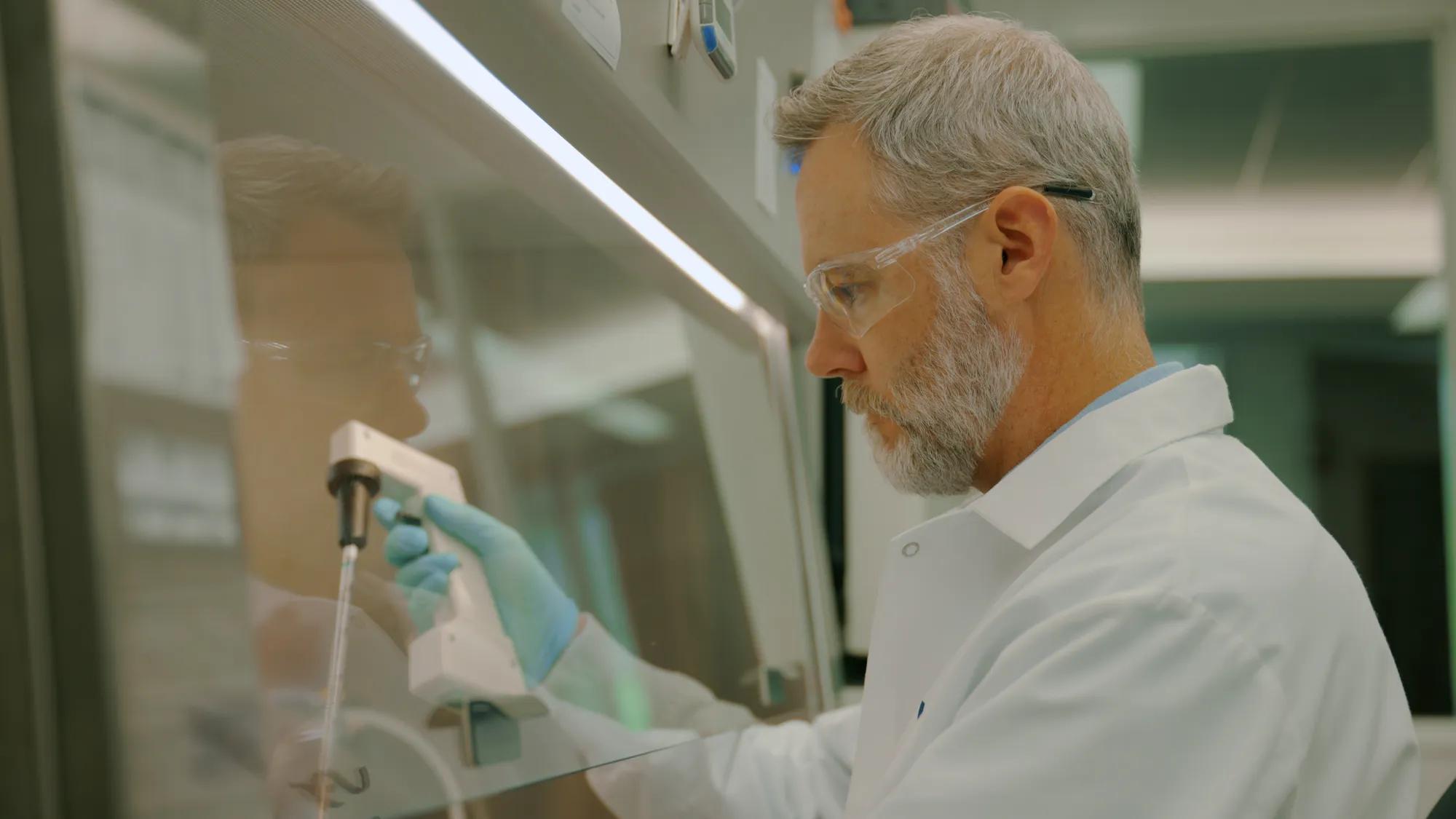
A collaboration of JAX scientists in Connecticut and New York is working to better understand the genetic roots of Parkinson’s disease by developing and sharing scalable human stem cell models.
Through the creation of a new “stem cell toolkit,” researchers at The Jackson Laboratory New York Stem Cell Foundation Collaborative (JAX-NYSCF) seek to create, validate and openly distribute stem cell models and data on Parkinson’s disease.
Video: Dave Wurtzel, The Jackson Laboratory.
The research is funded by a $1.8 million grant from The Michael J. Fox Foundation for Parkinson’s Research (MJFF), which will also administer a $4.6 million grant from the Aligning Science Across Parkinson (ASAP) Collaborative Research Network.
“Parkinson’s disease is a terrible neurodegenerative disease that is actually the fastest growing in our society,” said Valentina Fossati, JAX-NYSCF co-director.
Impacting more than 8 million people worldwide, Parkinson’s disease causes progressive and debilitating symptoms, including difficulties with walking and speaking. While treatments can temporarily help with symptoms, the disease currently has no cure.
“We really haven't had any major breakthrough on Parkinson treatments for decades,” Fossati said. “It definitely is a disease that we need to understand better.”
A collaborative, scalable approach to understanding
Many genetic variants have been associated with Parkinson’s disease, but JAX researchers are seeking to better understand its genetic causes. A major focus is the gene GBA1, which remains one of the most important genetic risk factors linked to Parkinson’s disease.
“If you have a mutation, a variant in this very specific gene, you have a higher chance to get Parkinson's disease,” said Stefan Semrau, JAX–NYSCF co-director. “It's not guaranteed that you will get Parkinson's, but there's a higher chance.”
That genetic mutation can also lead to the disease starting earlier and ultimately becoming more severe, he said.
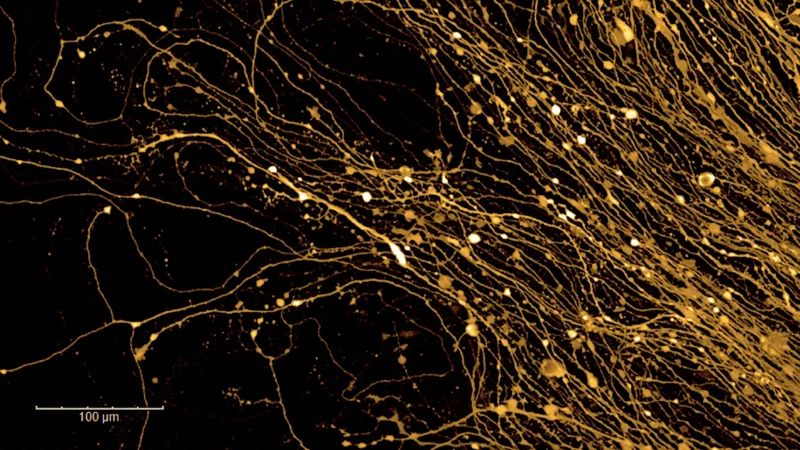
Using stem cells gathered from Parkinson’s patients, JAX–NYSCF is studying cells in the brain to better understand the early-onset causes of the disease.
Building a shared foundation
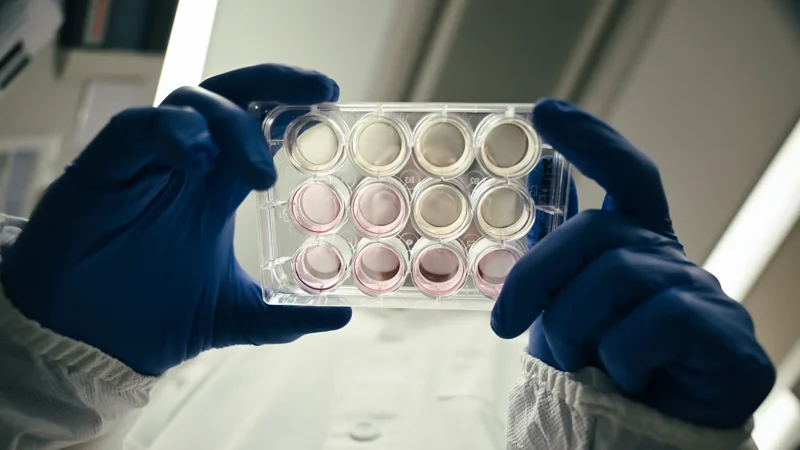
Researchers will generate more than 20 new human-induced pluripotent stem cell lines (iPSCs). Those cell lines could provide a shared foundation for researchers to model genetic changes, understand their effects in cells, and evaluate potential therapies.
“Researchers have identified many promising Parkinson’s disease targets, but the lack of standardized tools has made them difficult to study and compare across laboratories,” said Justin McDonough, a principal investigator of the project and associate director of the Cellular Engineering service lab at JAX.
Our goal is to create a shared platform of rigorously validated models, data and protocols that enables scientists to compare biology across targets, reproduce findings across laboratories, and accelerate the discovery of new therapeutic opportunities.
Justin McDonough, Ph.D.
Validated cell lines will be made available through the JAX iPSC Repository. Associated protocols and data resources will also be shared through the ASAP network and public repositories.
It’s a scalable and collaborative approach—one that JAX researchers hope will allow scientists across the globe to develop techniques to better target and potentially treat Parkinson’s disease.
“What we need to understand is, very early, how the disease starts,” Fossati said. “So that we can intervene as early as possible.”
Learn more
Parkinson's Disease
Parkinson’s disease is a chronic, progressive neurodegenerative disorder that affects more than one million Americans and 10 million people worldwide.
The Jackson Laboratory secures grant from The Michael J. Fox Foundation to advance Parkinson’s disease research through the JAX–NYSCF Collaborative
New human stem cell platform will expand access to standardized disease models, support Parkinson’s disease research and therapeutic discovery efforts.