The Jackson Laboratory

Preclinical Alzheimer’s Disease Models and Efficacy Studies

Partner with The Jackson Laboratory for a suite of Alzheimer's disease (AD) models and services that reliably recapitulate clinical features of human AD, including β-amyloid plaques, tau pathology, neuroinflammation, neurodegeneration and cognitive dysfunction, with demonstrated translational relevance.

Speak to an Expert

The Jackson Laboratory - Preclinical Alzheimer's Disease Models and Efficacy Studies

In Vivo Alzheimer's Disease Models

JAX's portfolio of translatable AD models is detailed below, organized by key pathological targets to help you identify the best model for your research.

Explore JAX AD Models

Partnering with JAX Preclinical Services for AD Research

Advancing Alzheimer's disease therapeutics requires the right models and the right partner. Our dedicated study directors work closely with sponsors to design and execute studies using relevant and translatable AD models. Backed by JAX's expertise in mouse genetics and in vivo model characterization, we are here to facilitate your drug development goals.

Available biomarker endpoints include:

  • Amyloid & tau pathology
  • Amyloid beta-42
  • Phospho-tau
  • Neuroinflammation: GFAP & IBA1; immunophenotyping
  • Serum NfL
  • Clinical chemistry

Get a Study Quote

Example of a JAX AD Preclinical Study
Study DesignDetail
Model

5XFAD 006554
PS19 008169

Timeline9 weeks
Groupsn=12 per group, 5 groups
In Vivo

Daily Dosing for 8 weeks or ONE neonatal or adult ICV injection.

Weekly:

  • Body weight
  • Clinical observation

Other:

  • NfL (3 time points)
  • Optional Novel Object Recognition (once per group)
Ex Vivo
  • Tissue Collection
  • Cardiac Puncture (Serum/Plasma)
  • Postmortem histological quantification
Example Biomarker Analysis from AD Efficacy Studies
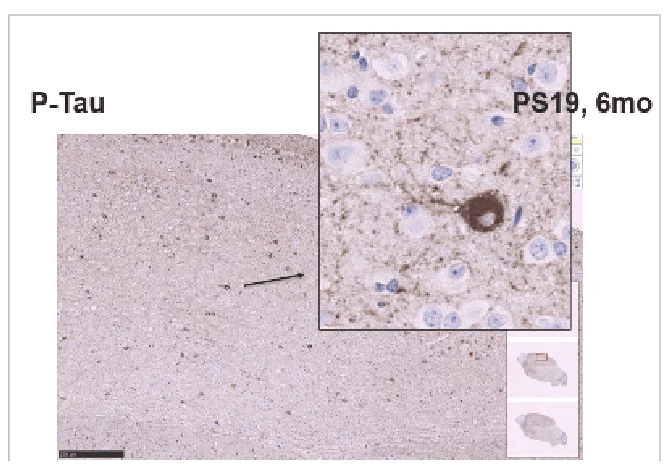
Biomarkers in PS19 mice are more reliable and reproducible than behavioral assays (P-Tau)
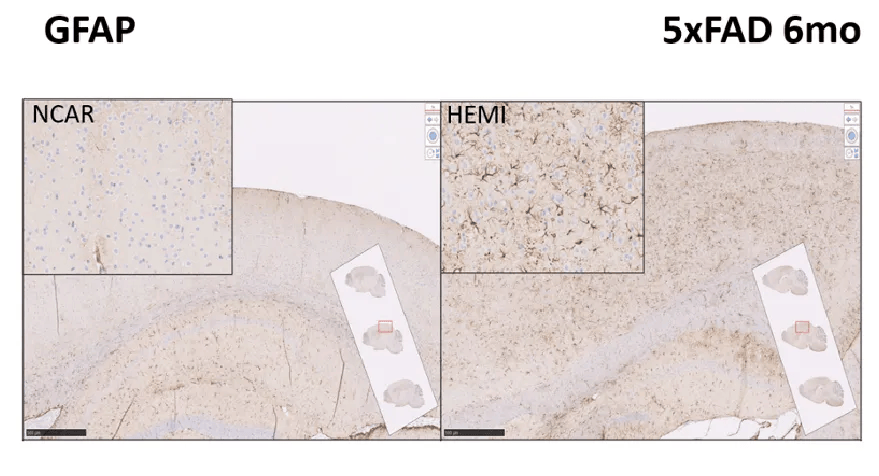
Biomarkers in 5XFAD mice are more reliable and reproducible than behavioral assays (GFAP)
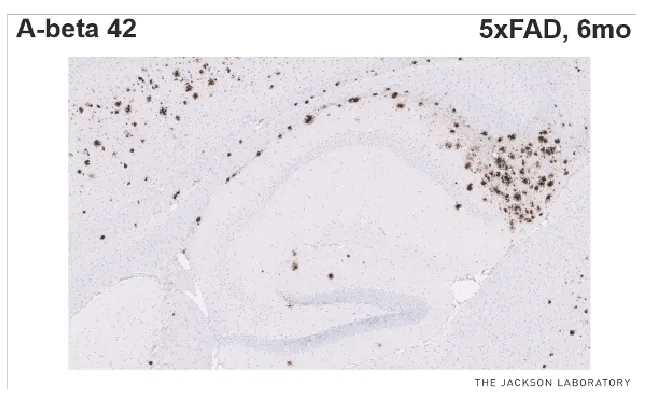
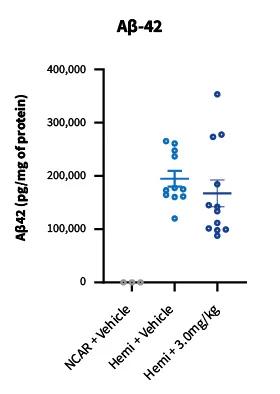
Biomarkers in 5XFAD mice are more reliable and reproducible than behavioral assays (A-beta 42)

Biomarkers in 5XFAD and PS19 mice are more reliable and reproducible than behavioral assays.

Phospho-Tau in PS19-TauP301S and Amyloid beta in B6.Cg.5xFAD

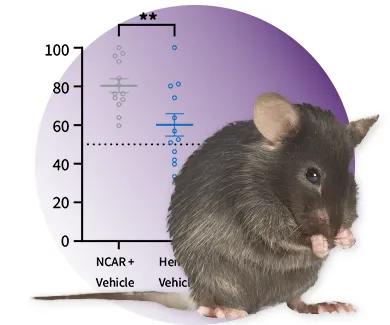
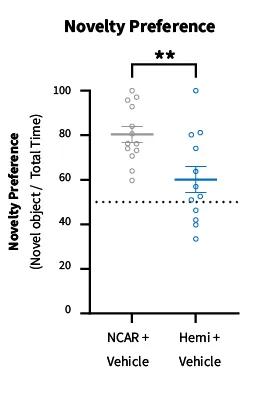
PS19 008169, Males, 6 months of age - Non-transgenic wild type mice (NCAR) display the natural preference for the novel object while PS19 transgenics (HEMI) do not

PS19 008169, Males, 6 months of age.
Non-transgenic wild type mice (NCAR) display the natural preference for the novel object while PS19 transgenics (HEMI) do not, an indication that they may not remember the previous encounter with the familiar object.

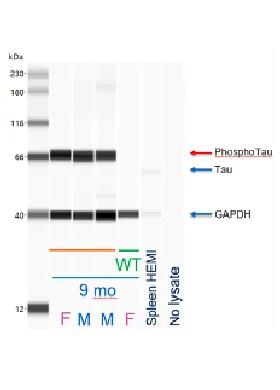
PS19 008169 - Phospho-Tau can be detected by WES analysis at 9 months (and as early as 3 months) in PS19

PS19 008169
Phospho-Tau can be detected by WES analysis at 9 months (and as early as 3 months) in PS19.

5XFAD 006554 - Beta-amyloid can be detected by Immunoassay at 9 months in 5xFAD

5XFAD 006554
Beta-amyloid can be detected by Immunoassay at 9 months in 5xFAD.
Alzheimer's Models Resources

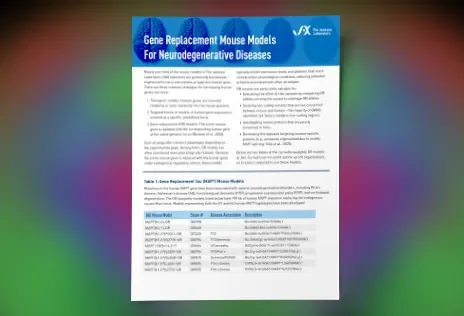
Series of Gene Replacement Models for AD

Series of Gene Replacement Models for AD

For each mouse model the entire mouse gene is replaced with the corresponding human gene under endogenous regulatory control.
View More Featured Neuro Models
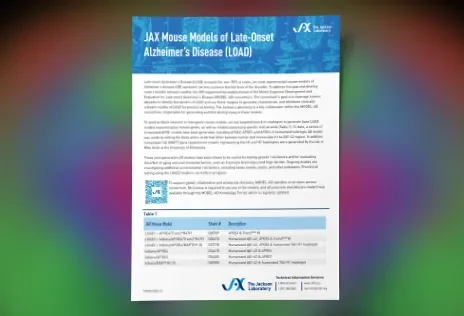
JAX Mouse Models of Late-Onset Alzheimer’s Disease (LOAD)

JAX Mouse Models of Late-Onset Alzheimer’s Disease (LOAD)

These models have been shown to be useful for testing genetic risk factors and evaluating the effect of aging and environmental factors, such as traumatic brain injury and high-fat diet.
Learn more about LOAD Models
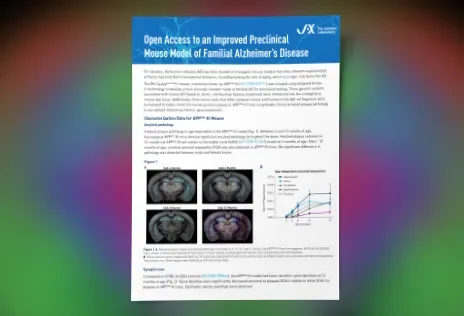
Open Access to an Improved Preclinical Mouse Model of Familial Alzheimer’s Disease

Open Access to an Improved Preclinical Mouse Model of Familial Alzheimer’s Disease

This APPSAA knock-in model recapitulates clinical amyloid plaque pathology in vivo without disturbing intrinsic gene expression. There are no licenses or restrictions on commercial use.
View the Fact Sheet
Sign Up | JAX Pulse Stay informed about our events, blogs and videos, and cutting-edge research platforms.
Get Updates Right in Your Inbox

©2026 The Jackson Laboratory